Antique Restoration
Traditional techniques for antique frames, springs and horsehair.
About antique restoration
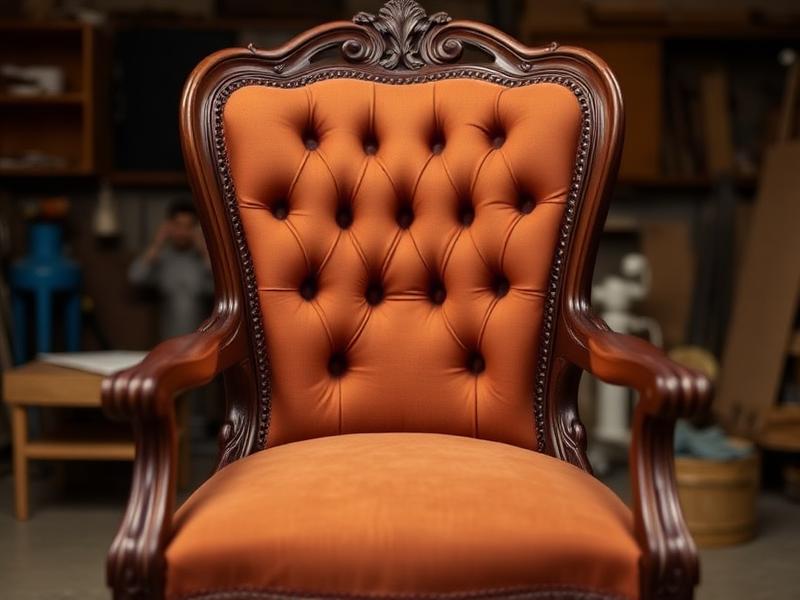
Antique upholstery restoration is a specialist craft — traditional 8-way hand-tied springs, hessian, horsehair, coir and calico, all rebuilt the way the piece was originally made. Our Guild-accredited restorers preserve the frame and the character while making a Victorian or Edwardian piece genuinely usable again.
- Free, no-obligation quotes
- Local, vetted specialists
- Photo-based briefs
- Real customer reviews
- Bespoke fabric options
- Aftercare & guarantees where offered
Popular styles
Not sure which style you have? Send us a photo — we'll help you identify it and match you with an upholsterer who specialises in that shape.
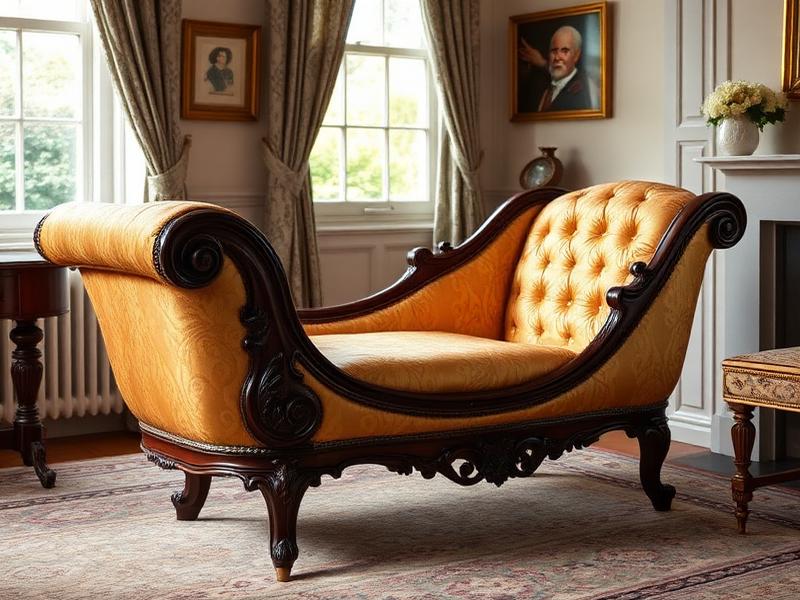
Deep diamond buttoning, spoon-back or balloon-back shapes, carved rosewood or mahogany frames.
Straight, refined lines with tight upholstery; often silk damask or horsehair fabric.
Rounded shapes, sprung seats — a step towards modern comfort with traditional construction.
Curved backs, scrolled ends. Show wood is restored, French polished and rewaxed alongside the upholstery.
Fabric options
Period-authentic weaves for parlour and drawing-room pieces.
Traditional black horsehair for the most faithful restorations.
Formal, delicate — best on display pieces rather than daily-use chairs.
Rich Victorian look with modern durability.
Popular colour palette
A curated palette that suits antique restoration — from timeless neutrals to statement tones.
How the process works
- 1
Free quote — upload photos of your piece and receive itemised written quotes from local specialists.
- 2
Fabric consultation — browse thousands of fabric options or preview them on your own piece with the AI visualiser.
- 3
Strip & inspect — the workshop strips the frame back, checks springs, webbing and padding and reports any hidden repairs.
- 4
Rebuild & recover — new webbing, springs, fillings and hand-cut fabric are applied with careful pattern-matching and stitching.
- 5
Delivery & aftercare — the finished piece is returned to your home, usually with a workmanship guarantee.
Antique Restoration — frequently asked questions
- How much does antique upholstery restoration cost?
- Traditional restoration is priced by the hours of hand-work involved. A Victorian nursing chair fully rebuilt in traditional materials typically runs £600–£1,200; a button-back chaise longue £1,500–£3,500; larger Chesterfields and sofas £2,500–£6,000+. Fabric, show-wood polishing and any frame repairs are quoted separately.
- Will you use traditional materials?
- Yes — hessian, jute webbing, coil springs hand-tied 8 ways, horsehair, coir, cotton felt and calico. We only substitute modern materials if you specifically ask for a hybrid rebuild to save cost.
- How long does an antique restoration take?
- Full traditional restorations usually take 4–10 weeks in the workshop. The frame is often stripped in the first week; the rest is careful, layer-by-layer rebuilding.
- Can you repair the frame and show wood too?
- Yes. Most Guild-accredited restorers work with a cabinet-maker and French polisher, so joints, castors, carved detail and polished surfaces are all restored alongside the upholstery.
- Is my piece worth restoring?
- If the frame is sound, almost always — a properly rebuilt antique will outlast anything new. Send photos and we'll give you an honest opinion before you commit.