Advice
When should you reupholster instead of replace?
Make the right choice for your home and your budget.
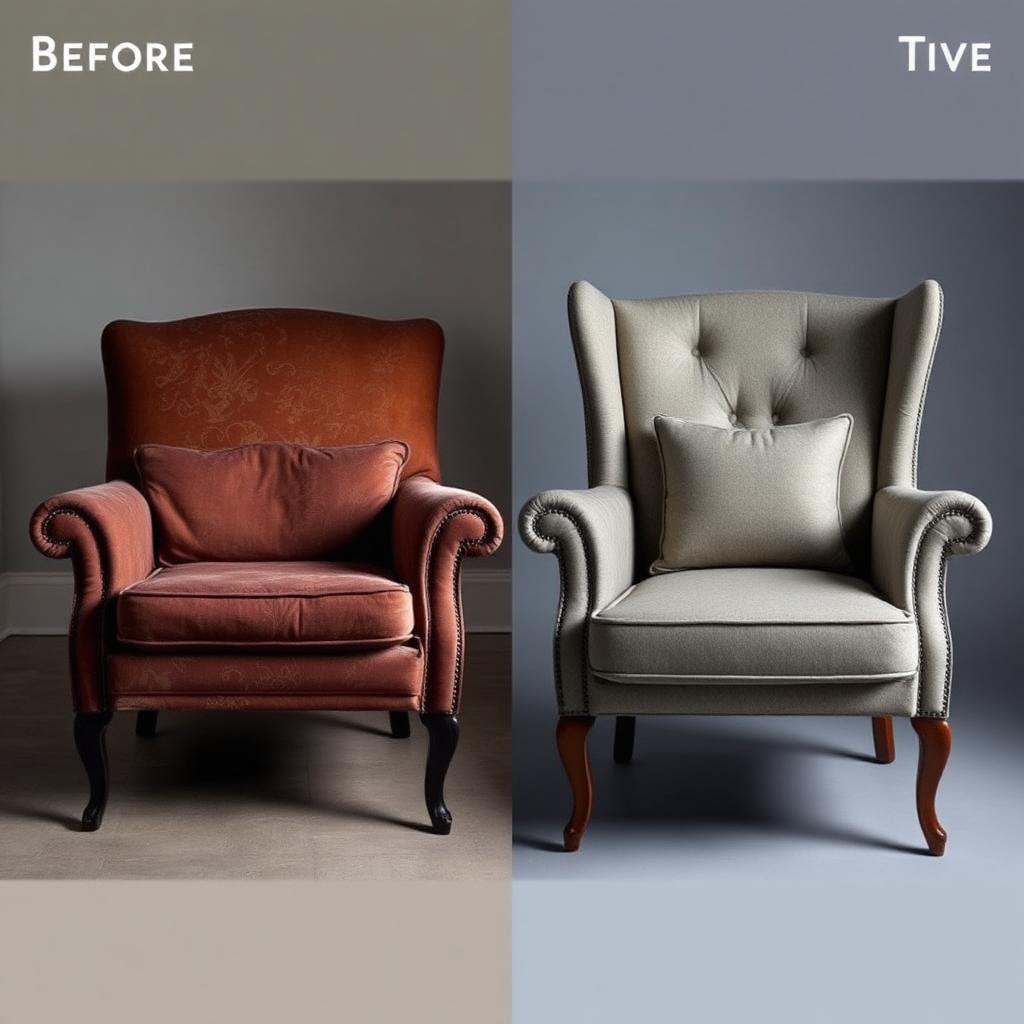
It's the question every tired sofa eventually raises: reupholster the one you have, or buy new? The honest answer depends on the bones of the piece, how much you like it, and what the alternatives really cost once you look past the sticker price.
## Reupholster when the frame is worth saving
A solid hardwood frame — beech, oak or ash, jointed and dowelled rather than stapled — is the single best reason to reupholster. Frames like these were built to be recovered two or three times over a lifetime. If your sofa still feels rock-solid when you lift a corner and rock it gently, the structure is doing its job.
Other good signs:
- The shape and proportions still suit your room
- It's a design you'd struggle to replace (a Howard, a chesterfield, a mid-century original, a family heirloom)
- The springs are hand-tied or serpentine and still holding tension
- You love how it sits — comfort is deeply personal and hard to shop for
In these cases, £1,000–£1,800 of reupholstery buys you effectively a new sofa in the shape you already know, often with better materials than a mid-range high-street replacement.
## Replace when the structure has gone
Flat-pack and low-cost sofas built in the last 15 years are frequently stapled softwood with a bonded-foam wrap. When those give up, reupholstery isn't cost-effective — you'd be spending traditional-craft money on a frame that can't take the workmanship.
Signs it's time to replace:
- The frame creaks, twists or leans when you sit down
- Joints are visibly separating and previous repairs haven't held
- It was inexpensive to begin with and is under 10 years old
- The proportions no longer suit your space or lifestyle
## The middle ground
Sometimes the right answer is *partial* work: new seat cushions and a professional deep clean, re-webbing without a full recover, or recovering just the seat pads on dining chairs. A good upholsterer will tell you honestly when a small job is all you need.
## A quick decision framework
Ask yourself three questions:
1. **Is the frame solid hardwood?** If yes, lean towards reupholstering.
2. **Do I still love the shape?** If yes, reupholster — you won't find it again.
3. **Would a like-for-like replacement cost more than the quote?** Very often, yes.
If you answered yes to two or three, get quotes before you go shopping. If you answered no to all three, a new piece is probably the better call — and a local upholsterer can often help you find a well-made one.